

High School Is Their Transition. And Yours.
Today I was reflecting on a theme that I see every year around this time.
A parent standing in the kitchen, watching their child… suddenly taller, more independent, a little more private, moving through the house like they already belong somewhere else.


Transitions: The Messy, Beautiful In-Between sent
As the school year winds down (for west side of the country), the energy is… a lot. There’s excitement, anticipation, stress, big feelings, and probably a slammed calendar to match. If you have a child moving through any kind of transition right now, this one’s for you.

True-to-your-core Disappointment
I’m talking about real true-to-your-core disappointment. And sometimes, we can try to brush it off as just feeling “disappointed in their behavior,” but if we’re being honest with ourselves, we know we can also feel disappointed in parts of their character. Oof, that’s hard to even type.

Last night was fight night…
After a long day, I was so excited to crawl into my yummy bed when I was greeted by the beautiful sounds of my girls screaming at each other from down the hall. A full-blown sibling fight. You know the kind.

Raising adolescents (young and more mature) is not for the faint of heart.
Adolescents have a special and magical way of pulling on everything in us all at once: our patience, our fear, our old wounds, our desire to control outcomes, and our fantasy that if we say the right thing in the right tone at the right moment, they’ll suddenly say, “You’re right, Mom/Dad. Thank you for your wisdom.”
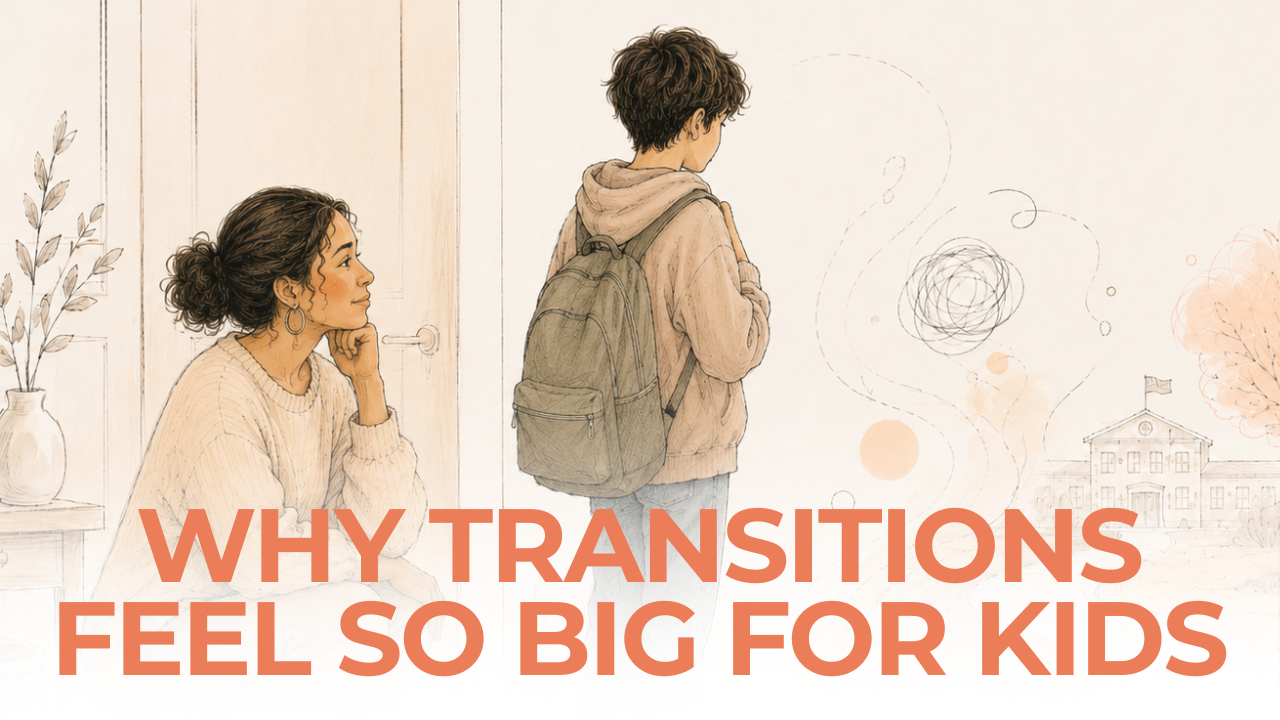
Why Transitions Feel So Big for Kids
Transitions can be incredibly unsettling for kids. Sometimes we see regression and acting out, regardless of age. What I want to remind you is that transitions activate a lot beneath the surface.

Breaking Old Cycles Is Its Own Kind of Gratitude
When you choose to parent differently than you were parented… that is gratitude in action. Every time you respond with a little more patience, a little more openness, or a little more self-awareness, a little more levity & trust you are honoring your child and yourself.

They Still Need You
What about those moments when you actually have to step in and be the parent? Of course, when a clear line has been crossed, it’s our job and responsibility to bring our kids back to center.
But, what about those murky, in-between moments?

When your teen starts to pull away
I’m writing to you today with a big, open, broken, beautiful heart to remind you to trust the process when your kids start to pull away.

Quieting the Worry Voice in Parenting
Learn how unchecked parental worry can sabotage connection with your kids—and how compassion, humor, and awareness can quiet the noise so you can truly see them.

Not So "Gentle" Parenting
You have probably heard a lot about “gentle parenting.” It is everywhere right now on Instagram, TikTok, and podcasts. At its heart, gentle parenting has beautiful intentions: listen to your child, validate their feelings, stay connected, and avoid the yelling and harshness many of us grew up with. I am all for that. Our kids should feel seen, heard, and respected.

How to Stay Connected to Your Tween (Even When They Pull Away)
The years fly by, and staying connected with your preteen can feel impossible. Here’s how to slow down, tune in, and build lasting trust. One moment at a time.

She needed me, but she didn’t want me.
When those words came out of my mouth, my friend stopped me. He shared the powerful sentiment and agreed that this phrase pretty much summed up his last five years parenting his now 21-year-old.

Conflict: Creating Internal Chaos
Fighting can create a whole lot of internal chaos.
Of course it can. Aside from the most obvious frustrations of not feeling heard, respected, or understood, it can go even deeper than that. Fighting can cause major catastrophic thinking; taking us down a road of speculating future worst-case scenarios. It can make us feel unsafe or untrusting.

So Your Teen Messed Up… Now What?
Your teen made a mistake—now what? Before you panic or punish, here’s how to respond with calm, connection, and curiosity (instead of shame).

It's The Little Things
Spring Break didn’t go quite as planned—and in the midst of road trip chaos, teen drama, and an injury that kept me off my snowboard, I found myself spiraling into that familiar place of parental overwhelm. But something shifted. A simple nightly habit, inspired by a book, turned our whole trip around—and reminded me of the quiet power we have to reset our mindset, connect with our kids, and trust the journey (even when it’s messy). If you’re navigating the wild waves of raising teens, this one’s for you.

What's up with all the angsty resistance?
Ever feel like parenting your teen is like trying to hug a cactus? Between the eye-rolls, dramatic sighs, and constant resistance, February nearly did me in. But here’s what I’ve learned—it’s not just attitude, it’s counter will: a normal (but exhausting) part of adolescent development. Understanding this one concept completely shifted how I show up in tough moments.

Talking to Your Teen About Sex (Without Dying of Cringe)
Let’s take a deep breath—because we’re going there: talking to our kids about sexuality, consent, relationships, and everything in between. If you grew up with awkward (or nonexistent) conversations on these topics, you're not alone—and you're exactly who this is for. In a culture that’s louder than ever about sex, it’s time we become the trusted voice in our teens’ lives.