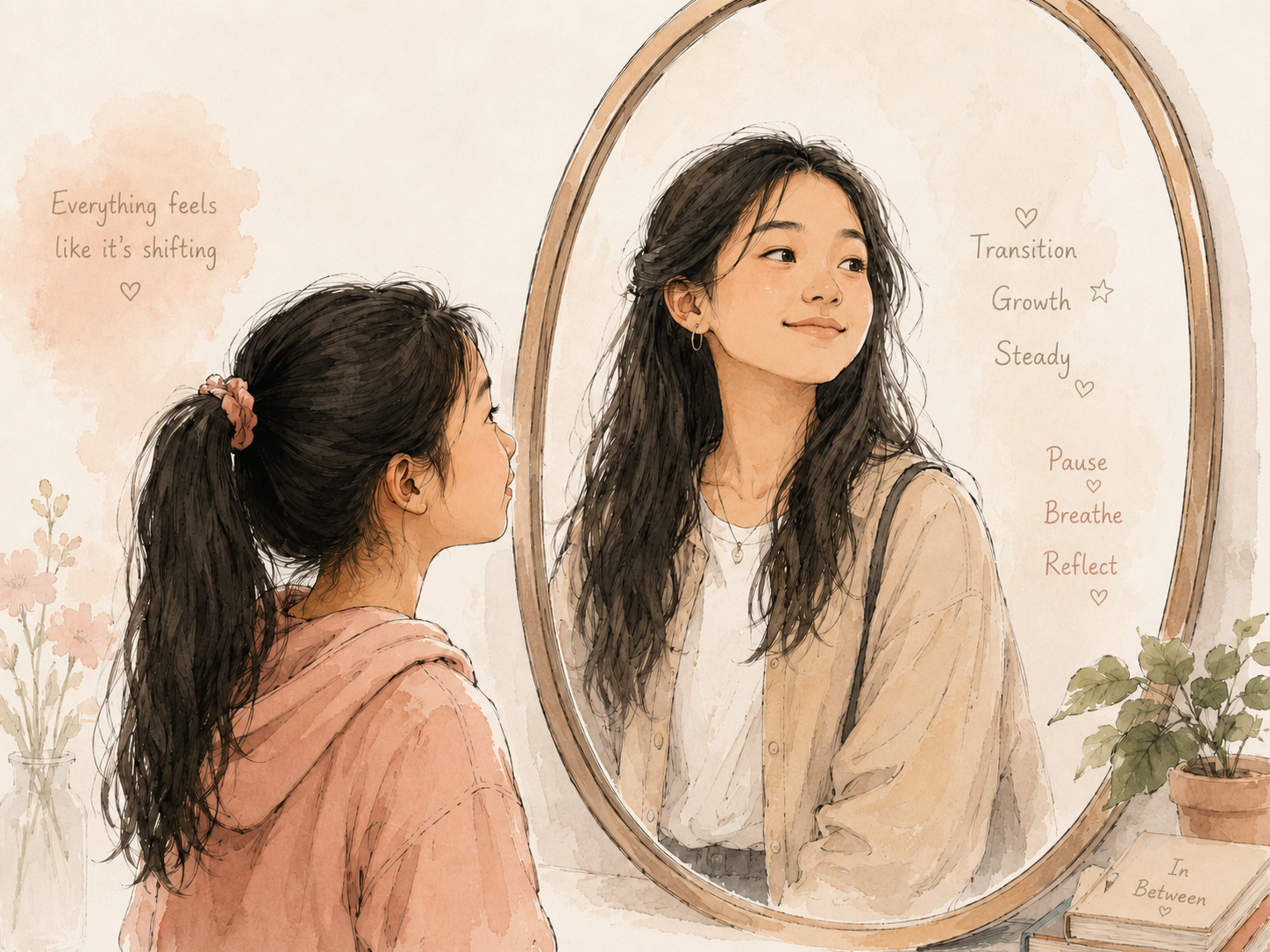
True-to-your-core Disappointment
Let’s talk about the the parts of parenting that many parents feel, but most fear to actually say aloud:
I’m talking about real true-to-your-core disappointment. And sometimes, we can try to brush it off as just feeling “disappointed in their behavior,” but if we’re being honest with ourselves, we know we can also feel disappointed in parts of their character. Oof, that’s hard to even type.
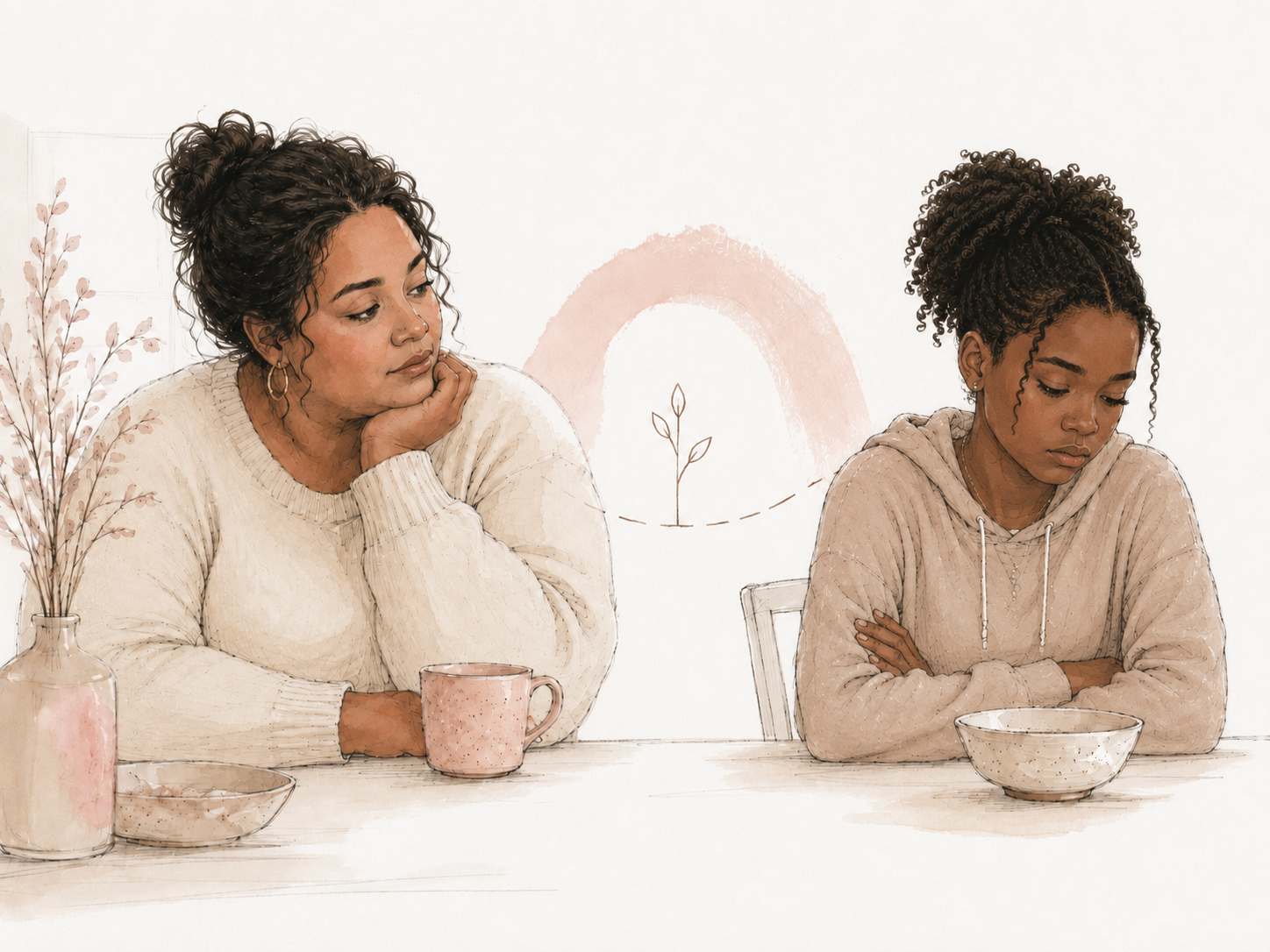
But it exists, and its normal. It’s human to sometimes wish something (or many things) were different about your kids.
I am here to assure you that when you feel this, it is not because you don’t love them deeply. And, it’s not because you’re a bad parent. And it’s definitely not because something is wrong with them.
We all imagined something before actually having kids. We couldn’t have known who they were going to be, but we could fantasize. We could dream up a kid with no learning challenges and perfect neurological capacities. A kid with personality traits that suited us, maybe including a specific levels of athleticism, or motivation for academics… Maybe you wish your kid chose different friends or had different interests. Or that they would react differently to their inner world and inner critic. Maybe you wish they were choosing a different life path entirely.
Whatever it is, the simple truth is that their reality doesn’t meet your expectations.
But let me say something important here: Disappointment itself is not a problem. It’s human. It’s information. We’ve all been taught that it’s a dirty word, especially as it relates to parenting, but that’s simply not true. It’s not realistic.
So, give yourself some grace on that front, in order to then ask yourself the real question: What do we do with that information?
Because when disappointment goes unexamined, it can quietly turn into criticism, distance, comparing, or shame. Children feel that, even when we don’t say a word. Of course they do.
But when we pause and turn inward first, something powerful shifts.
Next time you feel disappointment, try first asking yourself:
· What part of me is hurting right now?
· Is this about my child’s capacity or my own expectations?
· What might my child be struggling with underneath this moment?
· How do I get to know them better?
Often, disappointment lives in the space between who we hope our child will be and who they are able to be right now. If we live in a place of comparison, we send them the message that their worthiness is conditional.
When we instead recognize that gap with compassion for them and for ourselves, we move from frustration to curiosity. By allowing ourselves space to mourn what we thought would be, disappointment becomes something we can hold with kindness rather than guilt. It’s a way of honoring the vulnerable parts of ourselves instead of turning against them.
Try this next time: Instead of “Why are you like this?” Work to say, “Help me understand what’s hard for you.” Or, “help me understand what is important for you.”
These convos will change based on age and stage, but regardless of our words, the energy behind them is what our kids will feel.
And that’s where connection lives.
So remember, your humanness isn’t a flaw in your parenting or a flaw in your personality. Please don’t feel shame for being human, or for feeling those moments of disappointment, no matter how shallow or deep they are. Instead, view them with awareness, because they truly can act the doorway to deeper relationship when held intentionally.